A Continual Christmas

 The wise Benjamin Franklin gave us this superb life counsel: 

“Let no pleasure tempt thee, no profit allure thee, no ambition corrupt thee, no example sway thee, no persuasion move thee to do anything which thou knowest to be evil; so thou shalt live jollily, for a good conscience is a continual Christmas” (Carol Kelly-Gangi, ed., The Essential Wisdom of the Founding Fathers, 80). 

Who doesn’t want to have a “continual Christmas”? Dr. Franklin gave us the way to obtain it – resist evil and choose the right. That is Christianity in a nutshell, for, as the Old Testament teaches: “Fear God, and keep his commandments: for this is the whole duty of man” (Ecclesiastes 12:13). 

Fear, here, does not mean trembling, groveling, and servility. It means living with humble and faithful deference to our Master. It is a bold and confident form of living. John taught: 

“And we have known and believed the love that God hath to us. God is love; and he that dwelleth in love dwelleth in God, and God in him. 

“Herein is our love made perfect, that we may have boldness in the day of judgment: because as he is, so are we in this world. 

“There is no fear in love; but perfect clove casteth out fear: because fear hath torment. He that feareth is not made perfect in love” (1 John 4:16-18). 

In harmony with the thought that fear is the opposite of Christian discipleship and we ought to live boldly in the confidence that the Father and Son love us, the Apostle Paul taught that we should “come boldly unto the throne of grace, that we may obtain mercy, and find grace to help in time of need” (Hebrews 4:16). 

The Lord did not redeem us to make us slaves; He redeemed us to free us. This includes freeing us from sin, death, hell, and, yes, fear. Everything He did and does is to bless us and make us better, wise, stronger, happier, and holier. In a word, His goal is to make us more like Him and our Father in Heaven.  
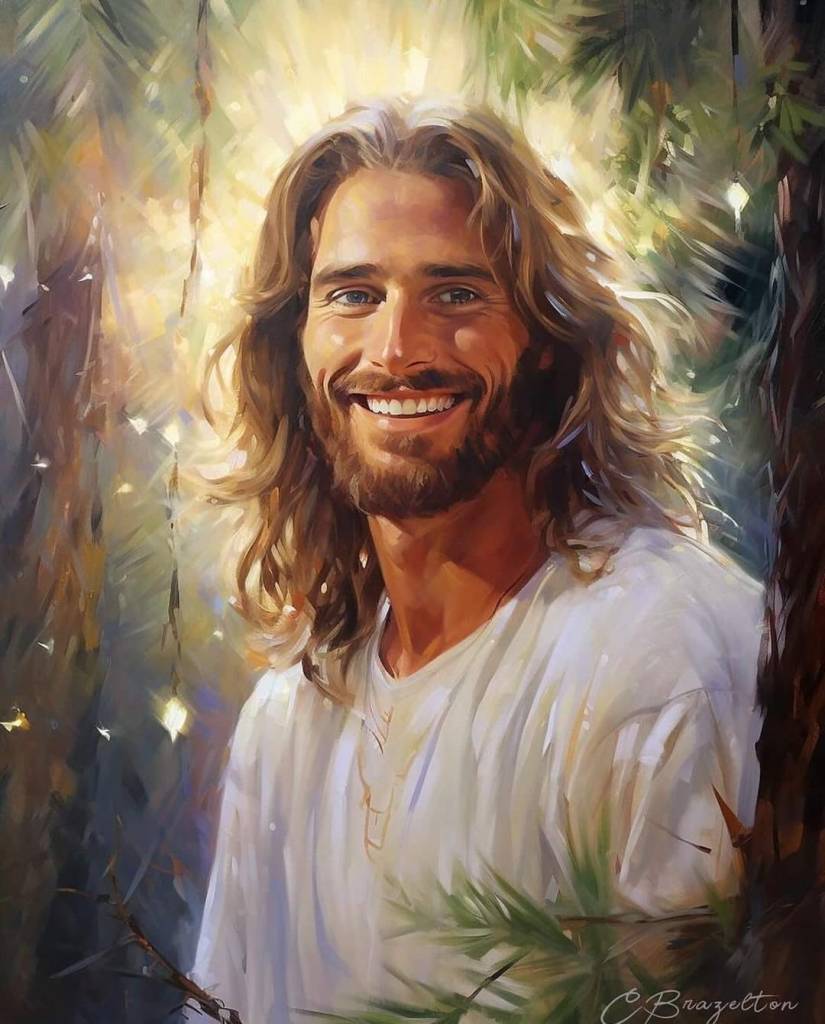
The Lord Jesus Christ gave many statements that we might consider “mission statements.” On one occasion, He said: “I am come that they might have life, and that they might have it more abundantly” (John 10:10). 

The Christian life is the abundant life. No other lifestyle can produce the same level of lasting happiness, peace, and goodness. The Lord offers us more; a higher and more exalted means of thinking, helping, serving, learning, living, and being. 

We might draw a comparison between what Dr. Franklin called a “continual Christmas” and the “abundant life.” Achieving the abundant life requires us to infuse our lives with more Christ. We can’t have what He offered without Him. There is no salvation, and, ultimately, life, outside of the holy name of Jesus Christ. Only through Him can we access the newness and abundance of life promised to the faithful. 

It is through Jesus Christ and the power of His Atonement that we receive forgiveness for the sins and mistakes we all make. It is through Christ that we receive the power to overcome temptation and evil. It is, then, through Jesus that we receive a clear conscience and the assurance that our lives are right before God. And it is this clear conscience which Dr. Franklin said is a “continual Christmas.” 

The word “conscience” appears only rarely in holy writ. When you search the etymology of the term, you find that it roughly approximates the “faculty of knowing” or being “with knowledge.” Having a conscience, then, is having knowledge within ourselves. The most commonly used scriptural word we can compare “conscience” to is light, or the light of Christ, which imparts knowledge. The light of Christ is an internal compass which can tell right from wrong. 

All people, Christians and non-Christians alike, have this internal compass. We can ignore its subtle warnings and deaden its effect upon us by ignoring it which amounts to us “having [our] conscience seared with a hot iron” (1 Timothy 4:2). However, it is always there. It is a gift from God to all His children to aid us through the treacherous twists and turns and temptations of life. 

If a conscience can be compared to light, then it would help us all to go to the source of light. What is the source? Jesus Christ.  

The Apostle John taught powerfully that Jesus was and is the light of the world: 

“In the beginning was the Word, and the Word was with God, and the Word was God. 

“The same was in the beginning with God. 

“All things were made by him; and without him was not any thing made that was made. 

“In him was life; and the life was the light of men. 

“And the light shineth in darkness; and the darkness comprehended it not. 

“There was a man sent from God, whose name was John [the Baptist]. 

“The same came for a witness, to bear witness of the Light, that all men through him might believe. 

“He was not that Light, but was sent to bear witness of that Light. 

That was the true Light, which lighteth every man that cometh into the world” (John 1:1-9). 

Jesus was and is the Light. He is the Light that gives life – even the abundant life – to men. He is the Light that “shineth in darkness.” His holy light “lighteth every man that cometh into the world.” This is the light of Christ. This is conscience. 

It is by going to the light, or, more appropriately, to the Light which is Christ, that we become happy and have a good conscience that makes life like a “continual Christmas.” The Lord taught this concept more completely when He said: 

“For God so loved the world, that he gave his only begotten Son, that whosoever believeth in him should not perish, but have everlasting life. 

“For God sent not his Son into the world to condemn the world; but that the world through him might be saved. 

“He that believeth on him is not condemned: but he that believeth not is condemned already, because he hath not believed in the name of the only begotten Son of God. 

“And this is the condemnation, that light is come into the world, and men loved darkness rather than light, because their deeds were evil. 

“For every one that doeth evil hateth the light, neither cometh to the light, lest his deeds should be reproved. 

“But he that doeth truth cometh to the light, that his deeds may be made manifest, that they are wrought in God” (John 3:16-21). 

Perhaps it was of this inspired passage that Dr. Franklin was thinking when he said that rejecting evil and doing good produces a “good conscience” and a “continual Christmas.” Regardless, it is true that by coming to the Lord we come to the light, for He is the Light. By entering the light, we reject darkness, evil, and sin, and our deeds are shown, in that light, to be good, which gives us that confident assurance and boldness spoken of by Paul and John, and that “good conscience” spoken of by Franklin. 
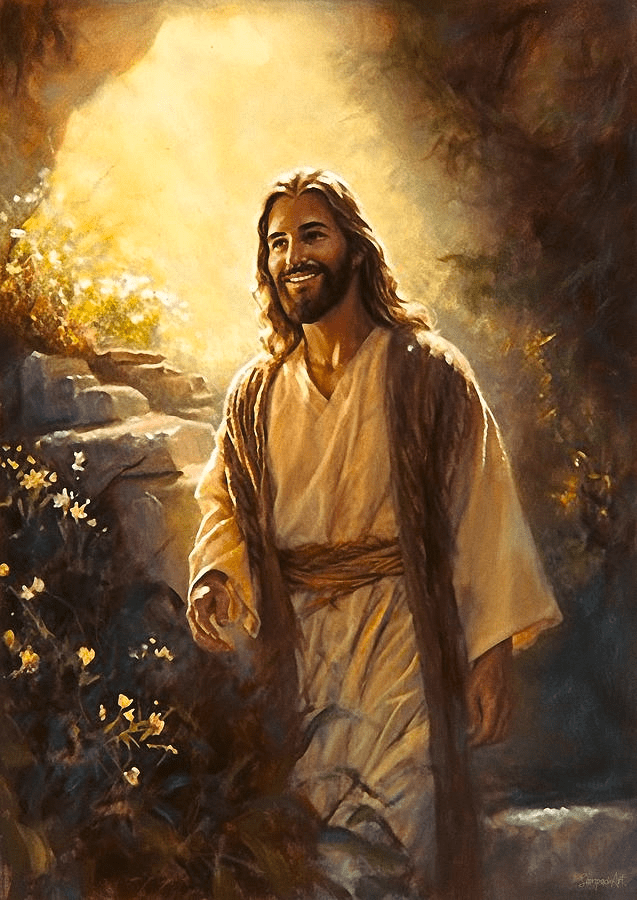
If we want more Christmas in our lives, we need more Christ in our lives. If we want a “good conscience,” we need more light to expel the darkness and shine upon our good works. Yes, if we want more light, we need more of the Light of the world. The Master declared: “I am the light of the world: he that followeth me shall not walk in darkness, but shall have the light of life” (John 8:12). 

One of the best pieces of advice I have yet seen for how we can choose the right was given by Dr. Franklin’s close associate, Thomas Jefferson. He wrote: 

“When your mind shall be well improved with science, nothing will be necessary to place you in the highest points of view but to pursue the interests of your country, the interests of your friends, and your own interests also with the purest integrity, the most chaste honour. The defect of these virtues can never be made up by all the other acquirements of body and mind. Make these then your first object. Give up money, give up fame, give up science, give the earth itself and all it contains rather than do an immoral act. And never suppose that in any possible situation or under any circumstances that it is best for you to do a dishonourable thing however slightly so it may appear to you. Whenever you are to do a thing tho’ it can never be known but to yourself, ask yourself how you would act were all the world looking at you, and act accordingly. Encourage all your virtuous dispositions, and exercise them whenever an opportunity arises, being assured that they will gain strength by exercise as a limb of the body does, and that exercise will make them habitual. From the practice of the purest virtue you may be assured you will derive the most sublime comforts in every moment of life and in the moment of death” (Thomas Jefferson to Peter Carr, August 19, 1785). 

This is much to learn from this sage counsel. Honor and integrity are more important than any worldly accomplishment. No earthly accolade, status, or recognition can make up for a lack of honor and virtue. Therefore, if we want honor here and hereafter, we should stop before we do anything and ask whether we would be comfortable with God, angels, and all the world observing us. If we continuously practice this, we can strengthen our virtue, increase our integrity, deepen our honor, and develop our conscience.  

By not doing what we know is wrong and by doing what we know is right, we let the light of Christ which is in us shine. The Apostle Paul taught: 

“For God, who commanded the light to shine out of darkness, hath shined in our hearts, to give the light of the knowledge of the glory of God in the face of Jesus Christ” (2 Corinthians 4:6). 

We all have an internal compass, and we innately know what is right and what is wrong. We know this because the light of Christ “hath shined in our hearts.” That light gives us knowledge of right and wrong and points us to our Savior. It is that conscience inside of us that whispers to us and encourages us to goodness, peace, humility, service, and love. 
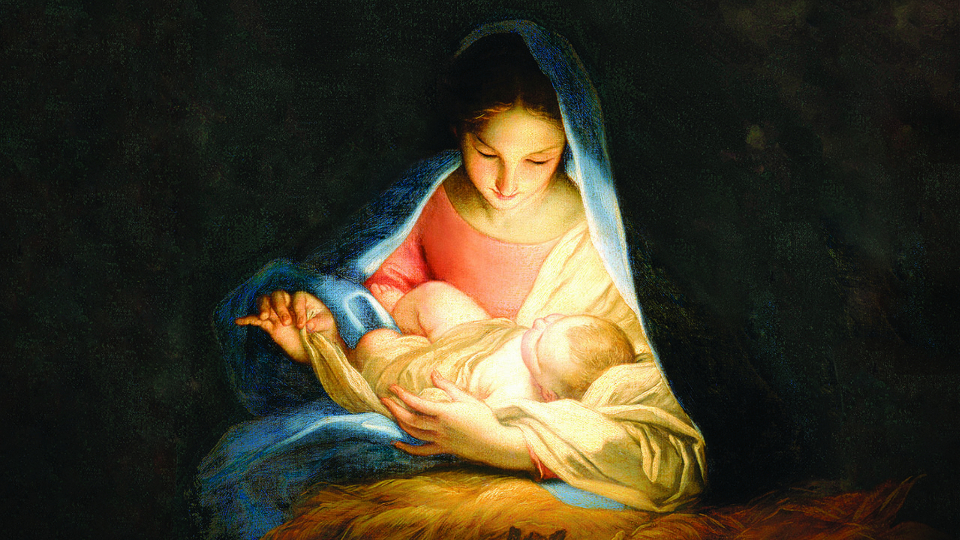
It is currently the Christmas season. But why should Christmas – a celebration of Christ – be only one day in the year? Why should we only let the light of Christmas – the light of Christ – shine in our souls one day each December? Why should we only feel the spirit of Christmas – the spirit of Christ – once a year?

By following the light, or, rather, by following the Light of the world, we shun darkness, bask in the warmth of Heaven’s rays, develop a good conscience, and live in the abundant life of a continual Christmas. It is my prayer that we may all let the light – which is the Light – into our hearts today and every day. By doing so, by walking in His holy ways, by being like Him, by rejecting evil, by doing good, we may enjoy a clear conscience and a continual Christmas. 

Zack Strong, 
December 17, 2023
Gifts from Father

“God loved us, so he sent his Son. Christ Jesus, the atoning One. To show us by the path he trod. The one and only way to God.” – “God Loved Us, So He Sent His Son,” Hymn No. 187, The Church of Jesus Christ of Latter-day Saints  

Every man, woman, and child on planet earth is a literal spirit child of Heavenly Father. We once knew Him far better than we do now. He raised us in our spiritual infancy and tutored us. From the beginning, He has bestowed countless gifts upon us. Since Christmas is a time for gift-giving, it is fitting that we remember some of the superlative gifts our Father has so graciously given us

The first gift we were each given by Father was life. In a way that has not been fully revealed, He begat us as spirits in the distant eons of the past. We existed as intelligences prior to that, but we became spirits – cognitive beings with spirit bodies – because of Him. We lived, grew, and learned in a place we call the pre-earth, or pre-mortal, realm. It was there that the Gospel Plan was taught to us and where we learned our possibilities; specifically, our possibility, through the intervening power of a divine Mediator, of becoming like our Father. 

One of the things that set our Father apart from the rest of us was that He had a perfected, immortal body of flesh and bone. Some people consider flesh and bone inferior to spirit. The reverse is true. This is why the Savior resurrected Himself with a body of flesh and bone as recorded in Luke 24:36-43. Therefore, the second great gift the Eternal Father bestowed upon us was a physical body and a chance to live in a mortal state of testing wherein we could, if we faithfully followed His “way of holiness” (Isaiah 35:8) outlined by the Savior, we could return to Him and receive exaltation. 

Our bodies are not trivial, unimportant, temporary things; they are holy temples! (1 Corinthians 3:16-17) As gifts of God, they must not be defiled with promiscuity and whoredoms, tattooed with graffiti, pierced in strange ways, polluted with drugs and alcohol or harmful foods and chemicals, and so forth. They must be honored, cultivated, and fortified, though not worshiped unduly. Proper health as part of true religion is not a superstition of past ages, but a verity and requirement for all who have been gifted bodies by their All-Wise Father. All of us, like our Lord Jesus and because of Him, will be resurrected with physical bodies and possess them for eternity. 

The next gift our Father in Heaven bestowed upon us is free will. We may call it moral agency or, simply, Freedom. Whatever we call it, it stands only next to life itself in the hierarchy of blessings. In the Father’s Gospel Plan, agency is paramount. We may even say that Jesus Christ’s supreme purpose is to ensure, protect, and extend our agency. The Apostle Paul told us to: “Stand fast therefore in the liberty wherewith Christ hath made us free, and be not entangled again with the yoke of bondage” (Galatians 5:1). 

What Christ offers each of us through His atoning blood is Freedom – Freedom from the damnation of sin, Freedom from the Devil, Freedom from hell, Freedom from the fallen world and natural man, and Freedom from death. The Father’s Gospel, which may rightfully be called the Gospel of Jesus Christ, is a Gospel of Liberty. Agency is so crucial that the Lord has intervened throughout history, and notably in modern times in the creation of the United States and the crafting of its inspired Constitution, to create a situation wherein man might be free and accountable for his own sins (Doctrine and Covenants 101:77-80). 

The next gift we can mention is prophets. From Adam, who was a holy prophet, down through Enoch, Noah, Abraham, Joseph, Isaiah, Ezekiel, Malachi, John, Peter, and others, the Lord has revealed His and the Father’s will through authorized representatives. These prophets give us the essential understanding we need to know about our relationship to God and His Son in every age. They are also the necessary legal administrators of the Gospel and its beautiful saving ordinances. 

Without exception, every time the Gospel has been on the earth, a prophet has stood its head. At no time has the Church of Jesus Christ ever existed without a prophet. Such is a contradiction in terms, for the Church must be headed by a called and authorized prophet (Ephesians 4:11; Amos 3:7; Numbers 12:6). It is through duly-called and ordained prophets that Gospel light and salvation are administered, because of the grace and will of Christ the Lord. 

In modern days, the Father has given a wonderful gift – the Restoration of the Gospel of Jesus Christ. For centuries after the martyrdom of the Apostles, apostasy and confusion were rampant. There were no prophets or legal administrators to perform saving ordinances like baptism. In 1820, Gospel light burst forth again as the Eternal Father and His resurrected Son Jesus Christ appeared from Heaven to the young man Joseph Smith in modern New York state, initiating the fulfillment of numerous ancient prophecies. Joseph Smith had prayed to know which of all the conflicting churches was true. In response, the Lord told him that though professed His name, they had all gone astray and denied His power (Joseph Smith History 1:19). 

Through the Prophet Joseph Smith, the Lord’s Church was restored to earth as The Church of Jesus Christ of Latter-day Saints. John the Baptist and, later, Peter, James, and John, appeared to confer Priesthood authority on Joseph Smith and a man named Oliver Cowdery. On the sacred date of April 6, 1830, The Church of Jesus Christ of Latter-day Saints was formally restored. It was the fulfillment of Isaiah’s prophecy that the Lord would do a “marvellous work and a wonder” (Isaiah 29:10-14). The coming forth of The Book of Mormon: Another Testament of Jesus Christ, which was foretold by Isaiah in the same passage cited and also by Ezekiel and others (Ezekiel 38), joined the Bible in testifying boldly of the divinity of Jesus Christ and of His mission to atone for and redeem all mankind. 

The Book of Mormon contains a prophecy from the resurrected Lord Jesus Christ, after His Ascencion, as He ministered among the ancient inhabitants of America – Israelites descended from Joseph who had been led away from Israel around 600 B.C. just prior to the Babylonian captivity. He told them that their sacred records would be revealed to future generations and that it would be delivered to their posterity by the Gentiles. Said He: 

“And when these things come to pass that thy seed shall begin to know these things—it shall be a sign unto them, that they may know that the work of the Father hath already commenced unto the fulfilling of the covenant which he hath made unto the people who are of the house of Israel. . . . 

“For in that day, for my sake shall the Father work a work, which shall be a great and a marvelous work among them; and there shall be among them those who will not believe it, although a man shall declare it unto them. . . . 

“Therefore it shall come to pass that whosoever will not believe in my words, who am Jesus Christ, which the Father shall cause him to bring forth unto the Gentiles, and shall give unto him power that he shall bring them forth unto the Gentiles, (it shall be done even as Moses said) they shall be cut off from among my people who are of the covenant” (3 Nephi 21: 7, 9, 11). 

The Restoration of the Gospel of Jesus Christ in its original purity had been foreseen by ancient seers and dreamed of by Reformers and pious men for centuries. It was made reality through the Prophet Joseph Smith, whose birthday we commemorate today on December 23. The Restoration is one of the greatest gifts God has given mankind. With the Restoration came the “restitution of all things, which God hath spoken by the mouth of all his holy prophets since the world began” (Acts 3:21). As John foresaw, this “everlasting Gospel” was revealed by an angel from Heaven (Revelation 14:6). 

A depiction of Joseph Smith’s First Vision wherein the Father and Son appeared to Him.

This “marvelous work” that the Father performed was for us, His children. He restored the Gospel with its Priesthood authority and powerfully simple doctrines because He wants us to come to His Son Jesus Christ and be enabled by our faithful obedience and His atoning grace to return to Him. 

This brings us to the most phenomenal of all our Father’s beautiful gifts – the Savior Jesus Christ. In the divine record, we read this testimony of the mortal Messiah: 

“For God so loved the world, that he gave his only begotten Son, that whosoever believeth in him should not perish, but have everlasting life. 

“For God sent not his Son into the world to condemn the world; but that the world through him might be saved” (John 3:16-17). 

The Father loves us and so He sent His Son. All the prophets past and present have and do testify of Jesus Christ. The entire Gospel Plan points us to Him. Isaiah prophesied of the Savior’s redeeming mission in these words: 

“Surely he hath borne our griefs, and carried our sorrows: yet we did esteem him stricken, smitten of God, and afflicted. 

“But he was wounded for our transgressions, he was bruised for our iniquities: the chastisement of our peace was upon him; and with his stripes we are healed. 

“All we like sheep have gone astray; we have turned every one to his own way; and the Lord hath laid on him the iniquity of us all” (Isaiah 53:4-6). 

Speaking Messianically, Isaiah foresaw even more about the Lord’s ministry: 

“The Spirit of the Lord God is upon me; because the Lord hath anointed me to preach good tidings unto the meek; he hath sent me to bind up the brokenhearted, to proclaim liberty to the captives, and the opening of the prison to them that are bound; 

“To proclaim the acceptable year of the Lord, and the day of vengeance of our God; to comfort all that mourn; 

“To appoint unto them that mourn in Zion, to give unto them beauty for ashes, the oil of joy for mourning, the garment of praise for the spirit of heaviness; that they might be called trees of righteousness, the planting of the Lord, that he might be glorified” (Isaiah 61:1-3). 

A third prophecy from Isaiah foretold of the Lord’s miraculous birth and appearance in the flesh: 

“Therefore the Lord himself shall give you a sign; Behold, a virgin shall conceive, and bear a son, and shall call his name Immanuel” (Isaiah 7:14). 

Immanuel means “God with us.” What better promise could the Father, through Isaiah, have offered than that the Divine Son should come to earth and dwell among His people? He would be among them, heal them, teach them, and show them the path back to Heaven. If the Jews had recognized it, they could have truly enjoyed the presence of God among them, for He was literally among them in the flesh showing His power, miracles, mercy, wisdom, and love. 

Another ancient prophet in the Americas named Alma prophesied of the Savior’s mission, giving this eloquent description that complements Isaiah’s prophecies perfectly: 

“For behold, I say unto you there be many things to come; and behold, there is one thing which is of more importance than they all—for behold, the time is not far distant that the Redeemer liveth and cometh among his people. . . .  

“. . . behold, the Spirit hath said this much unto me, saying: Cry unto this people, saying—Repent ye, and prepare the way of the Lord, and walk in his paths, which are straight; for behold, the kingdom of heaven is at hand, and the Son of God cometh upon the face of the earth. 

“And behold, he shall be born of Mary, at Jerusalem which is the land of our forefathers, she being a virgin, a precious and chosen vessel, who shall be overshadowed and conceive by the power of the Holy Ghost, and bring forth a son, yea, even the Son of God. 

“And he shall go forth, suffering pains and afflictions and temptations of every kind; and this that the word might be fulfilled which saith he will take upon him the pains and the sicknesses of his people. 

“And he will take upon him death, that he may loose the bands of death which bind his people; and he will take upon him their infirmities, that his bowels may be filled with mercy, according to the flesh, that he may know according to the flesh how to succor his people according to their infirmities. 

“Now the Spirit knoweth all things; nevertheless the Son of God suffereth according to the flesh that he might take upon him the sins of his people, that he might blot out their transgressions according to the power of his deliverance; and now behold, this is the testimony which is in me. 

“Now I say unto you that ye must repent, and be born again; for the Spirit saith if ye are not born again ye cannot inherit the kingdom of heaven; therefore come and be baptized unto repentance, that ye may be washed from your sins, that ye may have faith on the Lamb of God, who taketh away the sins of the world, who is mighty to save and to cleanse from all unrighteousness” (Alma 7:7, 9-14). 

Yes, the Savior is mighty, majestic, and merciful. He can cleanse us every whit and save us from all unrighteousness! He not only figuratively or intellectually suffered our afflictions, but they were literally placed upon Him in the flesh and He bore them. The unimaginable burden caused Him to bleed from every pore of His body (Luke 22:44; Doctrine and Covenants 19:16-24). God was with us, He suffered what we have suffered, and He understands us, our trials, and our heartaches more perfectly than we do. Truly, with His stripes we are healed! 

As His ultimate gift to His children, our loving Father in Heaven gave us His Firstborn Son as the final sacrifice to redeem and liberate the rest of us – to free us from our sins, our sicknesses, and our fallen natures. He sent the Christ to take away our pain, comfort us when we mourn, strengthen us in hard times, and succor us with pure love unsurpassed. He “went about doing good” (Acts 10:38) and fulfilling the will of the Father – to heal, help, serve, lift, and love – in all things. Through Him, and His Atonement, we may receive the highest and holiest of all that God has to offer – eternal life in the Father’s Celestial Kingdom. 

This Christmas season we need more of the light and spirit of Christmas in our lives, which is the light and spirit of Christ. Two thousand years ago, the innkeepers refused to let their Messiah in; they rejected the Light of the world. Do we also refuse Him? Do we turn Him away? He said: 

“I stand at the door, and knock: if any man hear my voice, and open the door, I will come in to him, and will sup with him, and he with me. 

“To him that overcometh will I grant to sit with me in my throne, even as I also overcame, and am set down with my Father in his throne” (Revelation 3:20-21). 

We have the power to open the door and let the Savior in. We can, if we will, let the Light and Life of the world fill our hearts and homes. Is this not a marvelous gift? It is a gift freely given that all can accept, enjoy, and benefit from. We can show our appreciation and love to our Father by accepting His gift. The Lord taught: 

“If a man love me, he will keep my words: and my Father will love him, and we will come unto him, and make our abode with him” (John 14:23). 

What more could we want this Christmas, and every day, than for the love of our Heavenly Father and our Savior to fill our lives and for Them to come in unto us? Open the inn doors of your heart this Christmas and see if the Lord won’t verify His promise to come in and stay with you and, with the Father, fill your life with light and love. Merry Christmas! 

Zack Strong, 
December 23, 2022 

Santa Claus Knows We’re All God’s Children

Christmas is a season of light and love. It is a time of rejoicing and happiness. It is a time to gather with family and create rich memories that you will carry with you to the end of your life. This Christmas, I call upon everyone to remember who they are – children of our Father in Heaven – and to reject the perverse attempts to cancel Christmas, extinguish the Christmas spirit, and keep families apart. Instead, gather with your family, worship the Savior Jesus Christ, and celebrate this holiest of holidays with a heart full of gratitude and joy.

In Gene Autry’s original version of the now classic Christmas song “Here Comes Santa Claus,” we find these piercingly true declarations:

“Here comes Santa Claus, here comes Santa Claus, right down Santa Claus Lane

He doesn’t care if you’re rich or poor, he loves you just the same

Santa Claus knows we’re all God’s children, that makes everything right

So fill your hearts with Christmas cheer, ‘cause Santa Claus comes tonight

“Here comes Santa Claus, here comes Santa Claus, right down Santa Claus Lane

He’ll come around when chimes ring out that it’s Christmas morn’ again

Peace on Earth will come to all if we just follow the light

So let’s give thanks to the lord above, ‘cause Santa Claus comes tonight.”

Dear reader, you are a son or daughter of God! He is the literal Father of your immortal spirit. You are His literal child and He loves you more than you have the capacity to comprehend. Your true origin – your real home – is Heaven. Your destiny, if you follow the laws and principles our Father has revealed through His Son, our Redeemer, is to return to live in eternal joy with our earthly and Heavenly family. Doesn’t this knowledge “make everything right”?

In my book The Lineage of the Gods, which discusses in great detail our Parent-child relationship with God and the incredible potential we all have as children of the Most High, I wrote:

“It is an incredible thing to realize whose children we are. This is life-changing knowledge! To know that we are literal spirit children of the literal living God should cause a paradigm shift in every mind. It should humble us and also give us confidence to know that we have some portion of divinity within us; that we are as eternal as God; that we have an inherent intelligence within us that can expand and grow indefinitely. . . .

“When we see our fellow man, we see a glimmer of God. When we deal with our brothers or sisters, we are dealing with beings endowed with godly potential. It is an incredible and humbling thing to realize we are associating with heirs of Heaven – and that we ourselves have a largely untouched reserve of divine potential inherent in ourselves. . . .

“Each of us has an untapped reservoir of divinity within us. We are all – even the very weakest and most vicious among us – potential heirs of Almighty God. Our spirits are as immortal and eternal as the Spirit of God. We have a portion of His character, attributes, and potential inside us because we are His immortal spirit children.”

Embracing the reality that we are the children of God should make everything right. It certainly puts life, our trials, and our choices, in proper eternal perspective. This sublime knowledge inspires us to do better and be better. It encourage us to treat others with more respect. It helps us please God rather than man. It propel us toward truth even if that truth is unpopular – such as the truth that we are the children of God with unimaginable potential for growth. It urges us to get on our knees and communicate with our Father in Heaven and pour out our soul to Him in prayer.

Prayer can change people. In fact, it can change nations and, ultimately, the world. This is because prayer reminds us who we are and what our true standing is before Heaven. Know that you are a son or daughter of God and that He loves you perfectly. Speak with Him heart to heart and person to person. He’s your Father; He will listen; He will respond. Develop that personal Parent-child bond and learn to rely on Him, trust Him, and follow His compassionate counsel.

We often say that “Jesus is the reason for the season.” This is true. Christmas is a time to remember and praise the Great Immanuel. And what did Jesus teach us? Among other things, the Lord came to earth in order to reveal the unequaled love of God. The Savior said:

“For God so loved the world, that he gave his only begotten Son, that whosoever believeth in him should not perish, but have everlasting life.

“For God sent not his Son into the world to condemn the world; but that the world through him might be saved” (John 3:16-17).

Jesus’ mission was to offer salvation to mankind, to be the Lamb sacrificed for the remission of sins, and to lift the children of God up to Heaven. He was and is the Light of the world and came to shine His brightness into the darkest corners of the earth. He came to “heal the brokenhearted, to preach deliverance to the captives, and recovering of sight to the blind, to set at liberty them that are bruised” (Luke 4:18). During His ministry, Jesus revealed truth, because the truth sets us free – truth such as knowing our genuine Parentage. In the end, our Savior came to share God’s profound love with the all His children.

The holy scriptures are full of affirmations of God’s love for us. In a passage that applies well to Christmastime, the Apostle John taught:

“God is love. . . .

“In this was manifested the love of God toward us, because that God sent his only begotten Son into the world, that we might live through him.

“Herein is love, not that we loved God, but that he loved us, and sent his Son to be the propitiation for our sins. . . .

“. . . God is love; and he that dwelleth in love dwelleth in God, and God in him. . . .

“We love him, because he first loved us” (1 John 4:8-10, 16, 19).

God our Father is the personification of love. And His Son, our Redeemer, equally exemplifies this eternal love. Together, the Father and Son, and the Holy Spirit which manifests Them to us, have given the world the ultimate gift of love in the Atonement of Jesus Christ. The Savior’s Atonement redeems us from death and hell. It offers us the ultimate hope of eternal peace and joy. It provides a refuge from the torment of guilt and regret. It offers us cool water and relaxing shade on a scorching hot day. It warms us when all is cold and dark.

In a vision of “the tree of life,” an ancient prophet was asked by an angel if he knew the symbolic meaning of tree. The prophet responded:

“Yea, it is the love of God, which sheddeth itself abroad in the hearts of the children of men; wherefore, it is the most desirable above all things.”

The angel confirmed the interpretation and added emphatically:

“Yea, and the most joyous to the soul” (1 Nephi 11:22-23).

God’s love is the most joyous and desirable thing to the human soul. It is the antidote to fear and loneliness, depression and pain. The Savior’s love, mercy, and grace have the capacity to transform the world into paradise. God first loved us and when we show Him love in return by following His Son, the Lord has promised “my Father will love him, and we will come unto him, and make our abode with him” (John 14:23).

It is because the Lord loves us, heals us, and saves us, that the Apostle Paul declared:

“For this cause I bow my knees unto the Father of our Lord Jesus Christ,

“Of whom the whole family in heaven and earth is named,

“That he would grant you, according to the riches of his glory, to be strengthened with might by his Spirit in the inner man;

“That Christ may dwell in your hearts by faith; that ye, being rooted and grounded in love,

“May be able to comprehend with all saints what is the breadth, and length, and depth, and height;

“And to know the love of Christ, which passeth knowledge, that ye might be filled with all the fulness of God” (Ephesians 3:14-19).

Dear reader, the Apostle Paul knew of God’s love for His children and that it “passeth knowledge” and fills our hearts. John the Beloved witnessed of this profound love as well. Ancient prophets in all ages have spoken of this love. And I also testify that our Father and His Son love us! I have felt Their love. I know the peace and buoyancy it brings. I know that “God so loved the world. . .” is not just wishful thinking, but the only reality that matters.

It is my fervent Christmas wish that you remember who you are, remember you are a child of God, and remember that He loves you and sent His Beloved Son, the perfect babe of Bethlehem, to reveal His love, set you free from worry, sin, and sorrow, and lead the way back to our Heavenly Home. Unto us was a Savior truly born, who is Christ the Lord. Through Him we access the love of God our Father. In Him culminates all good, all happiness, all love.

“Peace on Earth will come to all if we just follow the light.” The Light is Jesus Christ. He is the reason for the season. His birth marked the beginning of the end for Satan’s rule on earth. When the Lord died and then rose from the grave, He forever shattered the powers of darkness. The Lord’s light is stronger than anything the Adversary possesses. His love is the most joyous to the soul, heals the brokenhearted, obliterates fear, has the power to transform our dark winters into bright ones, and frees all captives now and forever.

Give thanks to the Lord above this Christmas. Talk to your Father and express your gratitude for His Christmas gifts to you – foremost among which is His Son, Jesus Christ. Thank Him for His love and share this love with others. And remember who you are – a known and loved child of God. Merry Christmas!

Zack Strong,

December 24, 2020

Lord of Misrule

Christians often boycott and denounce Halloween as a pagan holiday because of its Celtic roots. They despise Halloween’s rowdiness, its excesses, its darkness, and its supposedly unChristian character. They latch onto internet fear-mongering, unsubstantiated rumors, and Roman propaganda, and repeat them as if they are the true facts about the autumn harvest festival known as Samhain (i.e. Halloween). However, those same Christians generally celebrate Christmas, merrily decking their halls with boughs of holly, singing Christmas carols, and kissing each other under the mistletoe. What these Christians do not understand is that Christmas is every bit as pagan as Halloween – if not more so.

I write this article for two reasons: 1) To point out and discourage the holiday hypocrisy I see in the Christian community; and 2) to give a brief overview of the true history of Christmas.

1468552_165267723682210_2004883383_n

Though it is unpopular to say, the fact is that Christmas is a thoroughly pagan holiday. Nearly every Christmas tradition we cherish has its roots in paganism. Some of these traditions come from Yule, the Germanic/Nordic holiday, whereas others find their genesis in pagan Rome and beyond. The reason we sing “Troll the ancient Yule-tide carol” in “Deck the Halls” is because of the Yule traditions that were repackaged as Christian ones.

In the beginning, and for millennia thereafter, Christmas was a rowdy, drunken festival celebrated by pagans in many lands. It was closer in ambiance to modern Carnival, Mardi Gras, or Oktoberfest than to our modern American Christmas. Early Christmases were not times to commemorate the birth of Christ or gather for worship services. Indeed, the Catholic Church condemned Christmas because of its pagan roots. Ironically, it was the Catholic Church which selected December 25th – a widespread pagan feast day – to commemorate the Savior’s birth (in reality, the Lord was born during the spring. And, contrary to popular myth, the wise men were not magi, but righteous men of God. We get our word magician from the Persian word “magus,” which is the singular of magi. Calling the wise men magicians is not only insulting, but it contradicts the scriptures which plainly condemn sorcery in all its forms).

At Christmas time, the social order was flipped upside down. If you remember the Feast of Fools as depicted in the film The Hunchback of Notre Dame, you have an idea of what Christmas used to be like. Indeed, the Feast of Fools was a part of the winter celebratory tradition. During these drunken festivities, aristocrats were expected to wait on the poor and open their doors to them. Groups of peasants – more akin to mobs than anything – would roam from door to door, knocking and demanding food and other items. If the home owners did not open their doors, the mobs often broke them down and treated themselves to whatever they wanted. Not surprisingly, excessive amounts of alcohol were consumed on Christmas, and it was common to see people cross-dressing or to hear of wild orgies. The presiding figure of these feasts was called the “Lord of Misrule.” Among holidays, Christmas itself might be called the “Lord of Misrule.”

Whereas Celtic Samhain served important legal and social functions – such as the settling of debts, the execution of criminals, the slaughtering or purchasing of livestock, and the renting of land – Christmas was a purely indulgent event. The religious connotations of Christmas, like those of Samhain, involved paganism. From the burning of the Yule log to the singing of vulgar carols to the hanging of the mistletoe to the chopping down of evergreens, Christmas traditions relied on pagan spirituality and superstition.

12096566_818514064924370_3674830869580144649_n

Author Ace Collins has written:

“Only in relatively recent times, the past two hundred years, has Christmas been celebrated by most Christians. Up until the 1800s, the day recognized as Christ’s birthday was largely a pagan celebration. Those who bemoan the lack of religious zeal in modern Christmases would have been appalled at the way people in early America celebrated the day. For a majority of people who embraced Christmas throughout history, Christ wasn’t a part of the day at all. In most of the world, especially in England and America, Christmas was not a time of worship, prayer, and reflection: rather, it was a day set aside to sing bawdy songs, drink rum, and riot in the streets.

“For centuries, Christmas was anything but a holy day. It was most often a sinful parade of excess, a day set aside for ignoring laws and even terrorizing citizens. Mummers, the British carolers of the day, were musicians and actors who roamed the streets, presenting plays and singing songs. Mirroring the boisterous nature of the English Christmas, these songs rarely acknowledged the Christian aspects of the holiday. Those who attended church did so in wild costumes, the messages of many priests were anything but scriptural, and gambling was common during the services. After church the poor often stormed the homes of the elite in moblike fashion, pounding on doors and windows, demanding the finest food and drink. If the hosts did not respond, the guests broke into the homes and took what they wanted. This combination “holiday” of Mardi Gras and Halloween was nothing like today’s Christmas. The drunken celebrations hearkened back to the time when Romans and Greeks marked the winter solstice and a weeklong festival of self-indulgence. As nothing about these celebrations was staid or reverent, many devoted Christians loathed the holiday and considered it an instrument of sin and evil” (Ace Collins, Stories Behind the Great Traditions of Christmas, 9-11).

Two Wiccans, Laurie Cabot and Jean Mills, have written:

“Yule, with all of its pagan customs of lighting trees and displaying holly, ivy, and pine boughs in the home, shares an intimate relationship not only with Christmas but with the entire Season of Light – Chanukah, Kwanzaa, La Posadas, and St. Lucia’s Day, among others. Society often overlooks the overwhelming contribution by Witches to this time of year. Christians bring trees into their homes, light candles, and give each other gifts, never really knowing why they follow such accepted social behavior. The symbolic, spiritual, cultural, religious, and ecological meaning behind our modern holiday activities is directly linked to our ancient pagan origins . . . Yule is the Celtic bonfires of old driven indoors by the cold weather.

“The connection between Yule and today’s modern holiday practices is so strong that these ancient traditions work well with holiday habits we are accustomed to. Father Winter is an ancient pagan figure whom many will recognize. He dons fur-trimmed red robes, has a white beard, and gives gifts to children. In olden times he gave fruit and plants and magical herbs . . . Witches burn an oak Yule log, charging another in our Magic Circle, which will be kept in a sacred space until the next Winter. . . .

“No matter how we choose to celebrate, the pagan spirit enhances and enriches the Yuletide season” (Laurie Cabot and Jean Mills, Celebrate the Earth: A Year of Holidays in the Pagan Tradition, 76-77).

Along the same lines as Collins, historian Stephen Nissenbaum has observed:

“In New England, for the first two centuries of white settlement most people did not celebrate Christmas. In fact, the holiday was systematically suppressed by Puritans during the colonial period and largely ignored by their descendants. It was actually illegal to celebrate Christmas in Massachusetts between 1659 and 1681 (the fine was five shillings). Only in the middle of the nineteenth century did Christmas gain legal recognition as an official public holiday in New England” (Stephen Nissenbaum, The Battle for Christmas, 3).

Nissenbaum gives us more of the historical background of this rowdy holiday:

“It was only in the fourth century that the Church officially decided to observe Christmas on December 25. And this date was chosen not for religious reasons but simply because it happened to mark the approximate arrival of the winter solstice, an event that was celebrated long before the advent of Christianity. The Puritans were correct when they pointed out – and they pointed it out often – that Christmas was nothing but a pagan festival with a Christian veneer. The Reverend Increase Mather of Boston, for example, accurately observed in 1687 that the early Christians who first observed the Nativity on December 25 did not do so “thinking that Christ was born in that Month, but because the Heathens Saturnalia was at that time kept in Rome, and they were willing to have those Pagan Holidays metamorphosed into Christian [ones]”” (Nissenbaum, The Battle for Christmas, 4).

He further explained:

“In early modern Europe, roughly the years between 1500 and 1800, the Christmas season was a time to let off steam – and to gorge. . . .

“Excess took many forms. Reveling could easily become rowdiness; lubricated by alcohol, making merry could edge into making trouble. Christmas was a season of “misrule,” a time when ordinary behavioral restraints could be violated with impunity. It was part of what one historian called “the world of carnival.” (The term carnival is rooted in the Latin words carne and vale – “farewell to flesh.” And “flesh” refers here not only to meat but also to sex – carnal as well as carnivorous.) Christmas “misrule” meant that not only hunger but also anger and lust could be expressed in public” (Nissenbaum, The Battle for Christmas, 5-6).

And again we learn:

“Christmas was an occasion when the social hierarchy itself was symbolically turned upside down, in a gesture that inverted designated roles of gender, age, and class. During the Christmas season those near the bottom of the social order acted high and mighty. Men might dress like women, and women might dress (and act) like men. Young people might imitate and mock their elders (for example, a boy might be chosen “bishop” and take on for a brief time some of the authority of a real bishop). A peasant or an apprentice might become “Lord of Misrule” and mimic the authority of a real “gentleman.”. . . .

“The poor – most often bands of boys and young men – claimed the right to march into the houses of the well-to-do, enter their halls, and receive gifts of food, drink, and sometimes money as well. And the rich had to let them in – essentially, to hold “open house.” Christmas was a time when peasants, servants, and apprentices exercised the right to demand that their wealthier neighbors and patrons treat them as if they were wealthy and powerful” (Nissenbaum, The Battle for Christmas, 8-9).

Finally, Nissenbaum explained:

“From the beginning, the Church’s hold over Christmas was (and remains still) rather tenuous. There were always people for whom Christmas was a time of pious devotion rather than carnival, but such people were always in the minority. It may not be going too far to say that Christmas has always been an extremely difficult holiday to Christianize. Little wonder that the Puritans were willing to save themselves the trouble” (Nissenbaum, The Battle for Christmas, 8).

Scrooge-ghost-color-3000-56a486af5f9b58b7d0d76b63

While most Christmas celebrants do not behave in such ways today, even the most pious Christmas revelers celebrate ghosts whether they realize it or not. The most cherished winter tale, A Christmas Carol by Dickens, is a classic ghost story. A lost tradition in modern American Christmas celebrations is the telling of ghost stories. English writer Jerome K. Jerome once noted:

“There must be something ghostly in the air of Christmas — something about the close, muggy atmosphere that draws up the ghosts, like the dampness of the summer rains brings out the frogs and snails . . . For ghost stories to be told on any other evening than the evening of the twenty-fourth of December would be impossible in English society as at present regulated.”

These quotations paint a true picture of the holiday so beloved by modern Christians – Christians who often go out of their way to hypocritically denounce Halloween for its pagan roots. Christmas has nearly always been a pagan event – a time for rowdy revelers, pugnacious pagans, and mischievous merrymakers to upend the social order, break the commandments, and toss out self-restraint. From the topsy-turvy Feast of Fools to Saturnalia orgies to Yule sun-worship, Christmas is a blending of pagan traditions with a Christian name crudely painted over the top.

In short, Christmas was not originally about the birth of the Son of God – it was a commemoration of the sun god. Christmas was not created by Christians, but by pagans. Christmas was not a religious day of reverence and peace – it was a rude and raucous feast day tainted with cross-dressing, overindulgence, drunkenness, and rampant immorality.

I love Christmas as it has been reinvented by modern Christians. It is the greatest time of the year – with Halloween coming in as a very close second. It is a time for family, community togetherness, and for giving service. It is a time to reflect on the Savior and what the legacy of His singular life means for each of us. I love the popular sayings, “Wise men still seek Him” and “Christ is the reason for the season.” But notwithstanding my personal Christ-centered family traditions, I recognize the true history of this ancient pagan holiday.

At this time of year, I encourage my fellow Christians to do three things: 1) Learn the real history of Christmas; 2) avoid holiday hypocrisy in condemning Samhain but not Christmas; and 3) turn their hearts to the Light of the World, the Savior Jesus Christ. We don’t need to ban Christmas like the Puritans did, but we also do not need to indulge in its excesses like pagans do. We don’t need to abandon the tradition of putting a tree in our homes because the Vikings used to do it and because Witches endorse it, but we should be aware of the origin of this and other traditions. Please, by all means, have fun; but also have the facts.

If I have encouraged the reader to think more deeply about the origins of the holidays he celebrates, and to be more studious in understanding the origins of his most cherished traditions, I consider this article mission accomplished. Have a wonderful and merry Christmas!

Zack Strong

December 23, 2017.

Santa264